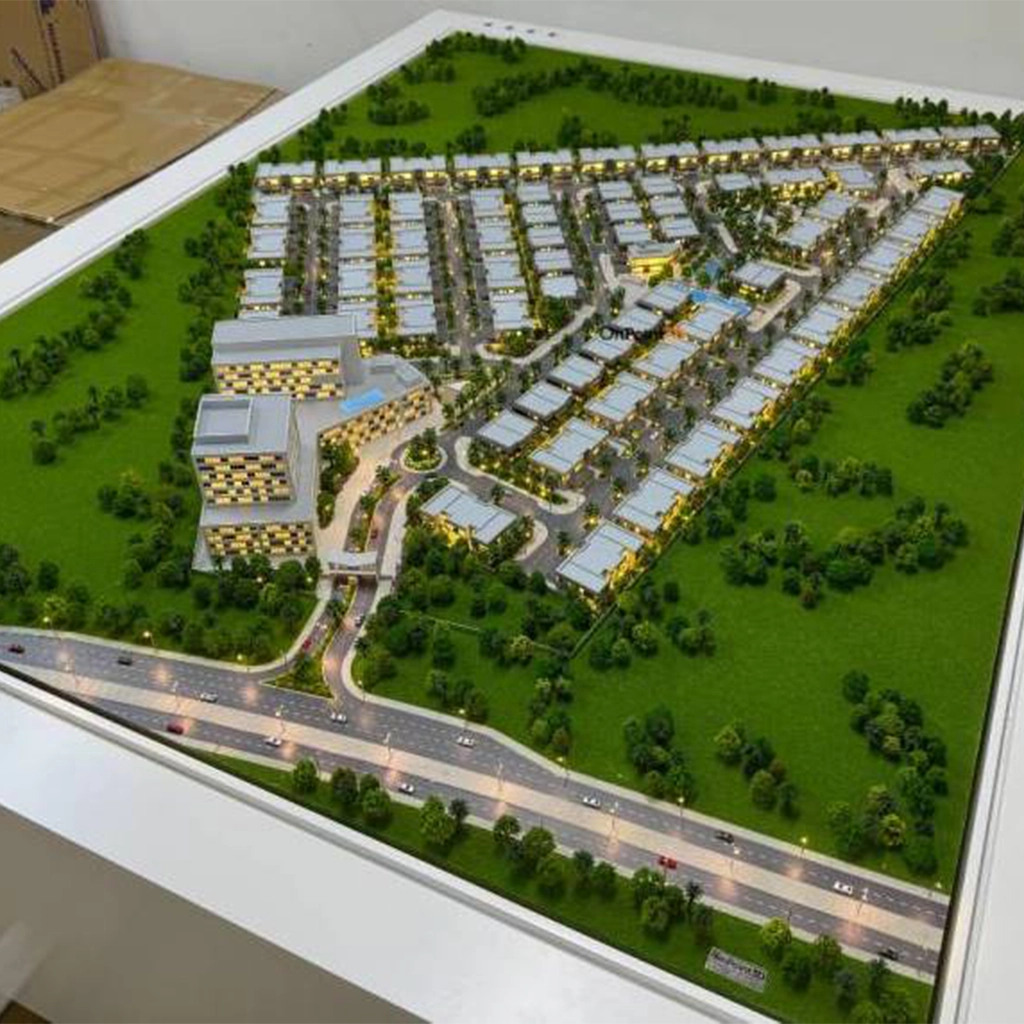
Working with small parts and different tools demands attention throughout the model making process. Each task is completed through measured steps, from shaping pieces to arranging them properly. Materials are selected based on the type of structure being built.
In this article, we will explore how you can improve your model making Dubai skills.
Practice with basic shapes:
Starting with simple shapes helps build control and consistency. Working with cubes, cylinders, and pyramids strengthens hand-eye coordination and develops measurement accuracy. These forms provide a base for knowing proportions and how individual parts interact. Over time, repeating these exercises sharpens cutting and assembly skills.
Use the right cutting techniques:
Precision cutting is central to clean and neat models. Always use sharp blades and ensure to cut using metal rulers. Slow, steady strokes prevent tearing and uneven edges. Learning how much pressure to apply during cutting takes time but directly affects the final appearance. Practising on spare sheets improves accuracy and builds confidence.
Learn material behavior through experiments:
Testing different materials such as foam board, card, and acrylic improves familiarity with their structure and flexibility. By observing how they respond to pressure, glue, and heat, it becomes easier to make suitable choices for different design elements. This hands-on practice also shows how thickness and density impact overall strength and stability.
Develop a method for clean assembly:
Neat assembly depends on how parts are aligned and joined. Use minimal glue and avoid overapplication to prevent stains and warping. Tweezers and clamps support better placement, especially with small or delicate components. Checking angles and fixing small misalignments early helps maintain balance and consistency throughout the model.
Practice painting and surface detailing:
Using paints and markers on test pieces before applying them to models gives better control over shades and textures. Lighter strokes, layering, and drying time all influence the final appearance. Masking tape helps create straight lines and clean edges. Consistent practice brings better command over color application and visual balance.
Observe professional models closely:
Studying finished models in exhibitions or portfolios reveals construction strategies and finishing methods. Take notes on how components are joined, how corners are treated, and how small details are added. Comparing different styles helps identify what methods are more suitable for different scales and purposes.